
Building a website isn’t just about making something that looks nice—it’s about creating a tool that works for your business, engages your visitors, and drives results. Over the years, I’ve helped businesses across East Sussex—from start-ups to organisations with 20+ employees—revamp outdated, clunky websites into platforms that actually perform. Here’s what I’ve learned makes a website truly effective.
1. A Strong Foundation: Structure and UX Matter
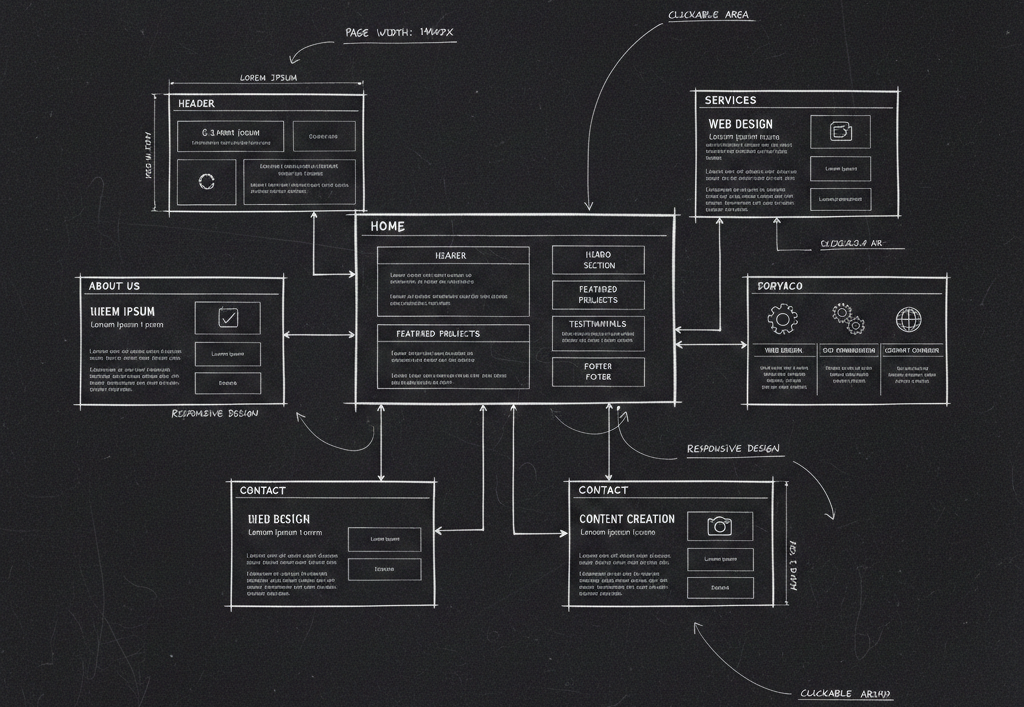
A good website starts with a clear structure. Every site I build has a well-planned sitemap and carefully mapped customer journeys. Visitors should intuitively know where to go and what to do, whether they’re looking to buy a product, book a service, or simply learn more about your business. Equal layouts and structured design help ensure consistency across pages and make your site easy to navigate.
2. Optimised for Search Engines
You can have the most beautiful website in the world, but if no one can find it, it’s essentially invisible. That’s why all our websites come with SEO optimised titles, meta descriptions, and keyword analysis tailored to the business. Analytics and Google Search Console are always set up from day one so performance can be tracked and improved over time.
3. Security and Reliability
Many of the websites we take over are outdated and vulnerable. One recent client had a site without Captcha, leaving their forms flooded with spam. After rebuilding the site with proper security foundations, spam submissions dropped dramatically, and monthly form submissions doubled. Reliability and security aren’t optional—they’re a necessity for a professional online presence.
4. Brand Clarity Over Flashy Design
There’s a trend towards AI-generated sites or sites overloaded with animations that “look amazing” but fail to communicate what the business actually does. A good website clearly communicates the brand, its services, and its value to the customer—before anything else. Design should support, not overshadow, the message.
5. Collaboration and Attention to Detail
Finally, a good website is built collaboratively. We put effort into understanding each client’s business and audience, but we also rely on their input. Without engagement from the client, even the best technical work can fall short. From UX mapping to content strategy, the client’s knowledge paired with expert guidance produces the best outcomes.
Case in Point:
When we took over a website from another developer in Eastbourne, the client’s previous site was outdated, hard to manage, and riddled with spam. After rebuilding the site with structured design, proper UX, SEO optimisation, and security features, they not only regained control but saw measurable results: spam reduced significantly and form submissions doubled month-to-month.
A good website isn’t just a digital brochure—it’s a business tool. It should be easy to use, visible to your audience, secure, and clearly communicate what your business stands for. By focusing on structure, SEO, security, clarity, and collaboration, you can turn your website into a platform that actually works for you.