
If you’ve been shopping around for a new website, you’ve probably seen everything from “24-hour builds” to “12+ week projects” — and it’s confusing.
The honest answer?
It depends — but there are realistic ranges, and there are unrealistic promises.
Based on real client projects, here’s what actually goes into a website timeline and what you should expect.
The Realistic Timeline (Based on Actual Projects)
From hands-on experience building everything from simple landing pages to full SEO-driven websites:
- Simple landing page: ~2 weeks
- Standard business website (5–10 pages): ~6–8 weeks
- Larger or complex projects: 12+ weeks
Anything significantly faster than this usually means one of two things:
- Corners are being cut
- Or the site is being generated rather than properly designed
What Actually Takes the Time?
A proper website isn’t just “designed” — it’s planned, structured, and built around how users behave and how search engines rank content.
Here’s how the process typically breaks down:
1. Discovery & Planning
This starts with a proper conversation — not a template.
- Understanding your business and goals
- Reviewing your current website (if you have one)
- Identifying what’s missing
- Defining the overall direction and theme
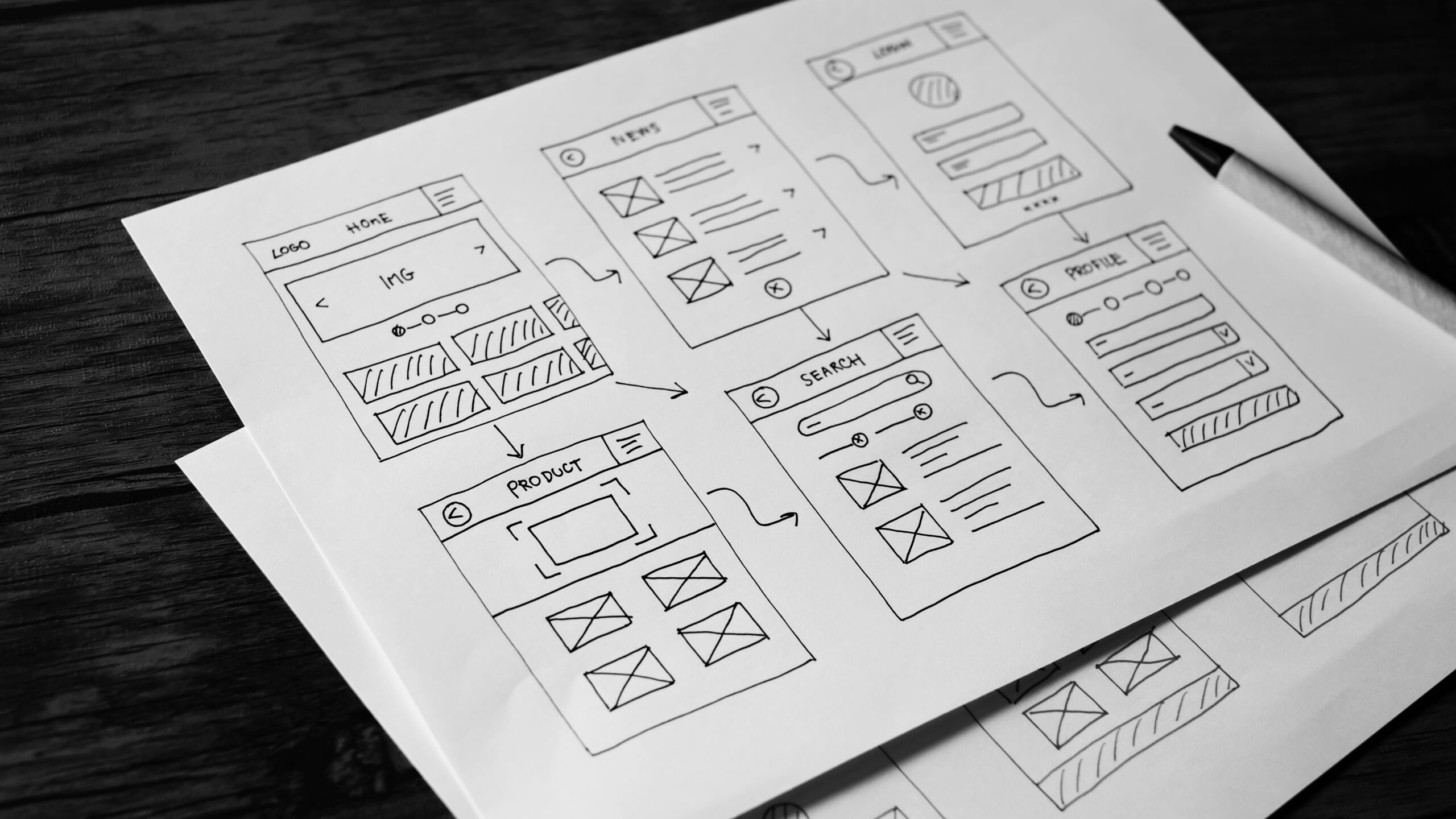
2. UX & Structure (The Most Important Bit)
Before anything is designed visually, the structure is mapped out:
- What pages are needed
- How users move through the site
- What links to what
- How to guide visitors toward enquiries or conversions
This is where most “quick-build” websites fall apart — they look fine, but don’t work.
3. SEO & Competitor Research
This is where long-term results are built:
- Analysing competitors
- Targeting the right keywords
- Structuring pages for both Google and AI-driven search
This step alone is often skipped entirely by cheaper providers.
4. Build & Development
Only now does the actual build begin:
- Page creation
- Content integration
- Layout refinement
- Performance optimisation
5. Testing Across All Devices
A proper site is tested everywhere:
- Desktop
- Laptop
- Tablet
- iPhone (multiple sizes)
- Android devices
This ensures a consistent experience — something many rushed builds miss.
6. Soft Launch & Final Checks
Before going live:
- Broken links are fixed
- Forms are tested
- User journeys are verified
7. Launch & Indexing
Finally:
- The site is published
- Submitted to Google
- Indexed for search visibility
What Slows Projects Down?
Not everything is under your developer’s control.
Common delays include:
- Revision rounds (even when planned)
- Third-party integrations
- Domain transfers from other providers
- Rebuilding older or restricted systems
Interestingly, brand-new projects are often smoother than rebuilds — because there’s less legacy to deal with.
The Truth About “24-Hour Websites”
There’s been a rise in AI-generated and ultra-fast website services promising results in a day or two.
Here’s the reality:
- They often don’t reflect your brand properly
- They lack a clear user journey
- You can’t easily edit them yourself
- You may end up locked into expensive ongoing fees
Most importantly — they’re built for speed, not results.
SEO Promises: What to Watch Out For
If someone guarantees:
- “Page one on Google in a week”
- “Instant SEO results”
…it’s a red flag.
Quick-win SEO tactics often go against Google’s guidelines and can actually damage rankings over time.
A proper approach focuses on:
- Long-term growth
- Sustainable rankings
- Consistent visibility
Real Example: When Taking Longer Paid Off
A recent project involved taking over a website from another agency.
The challenges:
- Outdated system
- Bespoke CMS
- Existing rankings that needed to be protected
The solution:
- Full rebuild
- Improved user journey
- Strategic keyword targeting
It took longer than expected — but the results:
- Top of page one on Google for their service
- Rankings maintained and improved after launch
- Consistent performance for 3+ months
This is exactly why rushing a website can cost more in the long run.
So, How Long Should Your Website Take?
If you want a real answer:
- 2 weeks → Simple, focused landing page
- 6–8 weeks → Proper business website
- 12+ weeks → Larger or complex builds
Anything faster might look appealing — but it rarely delivers the same results.
Final Thoughts
A website isn’t just something you “have” — it’s something that should actively work for your business.
The time it takes isn’t a delay.
It’s the difference between a site that exists… and a site that performs.